
Radial Mix 2:1 2-channel Passive Mixer
4.8Editor score
2-channel passive mono summing
2 inputs with 1 mono output
Simple and reliable design
Discover the top analog summing mixers for studio and DJ use. This guide compares features, sound quality, and connectivity across ten professional models.
Analog summing mixers bring warmth and depth to digital audio files by combining signals through hardware circuitry. They are essential for producers seeking a more organic sound signature in their final mixes.
We evaluated ten top models based on channel count, input types, build quality, and sonic characteristics. Our selection includes options for broadcast mix, mastering engineers, and hobbyists looking to upgrade their setup.
Each pick highlights specific strengths and ideal use cases to help you find the right tool for your workflow. Please note that pricing and availability may change frequently on retailer sites.
4.8Editor score
4.8Editor score

5.0Editor score
This side-by-side comparison outlines the key specifications and features of the top ten analog summing mixers available today. Use this table to quickly identify the model that best fits your channel count and budget needs.




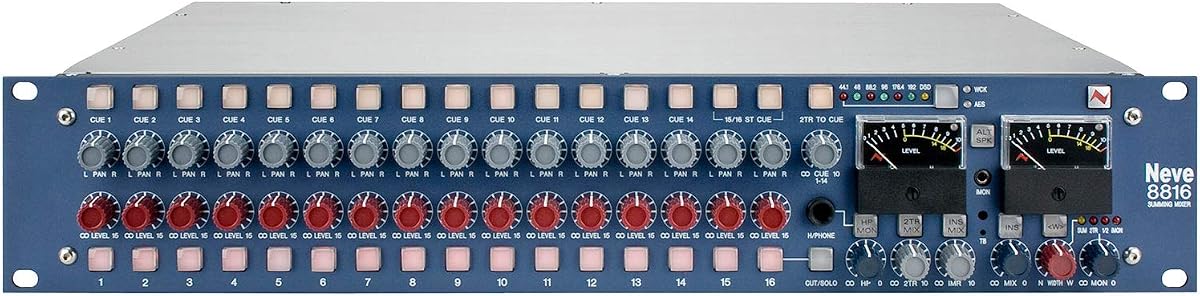
The Neve 8816 Summing Mixer stands as a benchmark for professional audio blending. With a reputation for imparting rich harmonics and depth, it transforms digital stems into cohesive mixes with character and weight.
We may earn a commission when you buy through this link, at no additional cost to you.
Its transformer-balanced architecture ensures signal integrity while adding the coveted Neve warmth. The 16-channel capacity allows for detailed sub-grouping, making it ideal for complex productions that need every element to sit perfectly.
While the cost is substantial, the investment pays off in sonic quality and durability. The monitoring section provides flexibility for speakers and headphones, ensuring accurate playback decisions during critical listening sessions.
This mixer is best suited for professional studios and mastering engineers who demand the highest fidelity. If you seek that legendary sound signature and have the budget, the 8816 remains an industry standard choice.
The core of the 8816's sound comes from its custom transformers which add subtle saturation and harmonic richness to the signal path.
Dedicated outputs for main and alternate speakers allow engineers to switch between monitoring chains easily without re-cabling the entire studio.
We may earn a commission when you buy through this link, at no additional cost to you.
The Radial Mix 2:1 is a straightforward solution for those needing a simple passive summing stage. It excels at combining two signals into one mono output without requiring external power or complex routing.
We may earn a commission when you buy through this link, at no additional cost to you.
Its passive nature means no active circuitry to color the sound artificially, though Radial's engineering ensures the signal remains clean and robust. This makes it a reliable tool for basic level balancing.
The limitation to two channels means it is not for full mix reduction but perfect for blending subgroups or specific instruments. The compact form factor fits easily into any rack or desktop setup.
Best for beginners or those needing a simple summing point, this mixer offers excellent value. It is a practical entry point into analog summing without breaking the bank.
Because it has no active electronics, the unit is incredibly durable and does not introduce noise from power supplies or gain stages.
The straightforward input and output layout allows for quick setup and use, making it ideal for temporary studio configurations.
We may earn a commission when you buy through this link, at no additional cost to you.
The Rupert Neve Designs 5059 Satellite Summing Mixer brings the legendary Shelford tone to your digital workflow. This unit is designed to integrate seamlessly with other Neve products for a cohesive analog chain.
We may earn a commission when you buy through this link, at no additional cost to you.
With 16 channels of summing, it offers ample room for sub-grouping tracks while maintaining the distinct musicality associated with Neve transformers. It is a powerful tool for high-end production environments.
The price is considerable and it functions best as part of a larger Neve system. However, for those invested in the ecosystem, it provides unmatched access to premium sonic characteristics.
This mixer is ideal for professional studios seeking to expand their analog capabilities without replacing existing consoles. It bridges the gap between DAW flexibility and hardware quality effectively.
The Shelford Edition tuning ensures the unit inherits the sonic signature of the highly regarded Shelford series for rich and musical results.
As a satellite unit, it connects to a main rack for control, saving space while delivering full analog summing power.
We may earn a commission when you buy through this link, at no additional cost to you.
The Headliner R4 offers a classic rotary DJ mixing experience with modern connectivity. Its analog design focuses on smooth transitions and precise sound shaping rather than digital screen control.
We may earn a commission when you buy through this link, at no additional cost to you.
Four stereo channels with dedicated gain and EQ knobs allow for detailed manipulation of each track. The built-in filter adds creative flair to your mix with adjustable resonance and frequency.
The metal enclosure and wood panels give it a robust feel suitable for touring or high-end club setups. Independent master and booth outputs ensure flexible routing for various sound systems.
Best for DJs who prefer tactile control, this mixer delivers reliable performance. While not for traditional studio summing, its audio path remains analog and high-quality for live performance use.
Rotary knobs allow for gradual volume blending which is preferred by many DJs for smooth transitions between tracks.
The frequency and resonance controls on the filter give you deep control over the energy and tone of the mix output.
We may earn a commission when you buy through this link, at no additional cost to you.
The Mackie Onyx Series 16-Channel Premium Analog Mixer blends traditional analog routing with modern USB multi-track recording. It is a versatile solution for live sound and home studio recording.
We may earn a commission when you buy through this link, at no additional cost to you.
Award-winning Onyx mic preamps provide low noise and high gain for clean signal capture. The analog path is complemented by digital tools that expand creative options without sacrificing core audio quality.
Recording directly to SD or via USB makes it convenient for capturing full band performances. The inclusion of Bluetooth streaming adds convenience for monitoring and playback in various scenarios.
Ideal for musicians and sound engineers needing a hybrid workflow, this unit balances features and cost. It is a strong choice for those starting to build an analog and digital studio setup.
The preamps offer up to 60dB of gain with legendary British style EQ ensuring your sources capture with clarity and tone.
Multi-track USB and direct SD recording give you flexibility in how you capture and back up your audio sessions.
We may earn a commission when you buy through this link, at no additional cost to you.
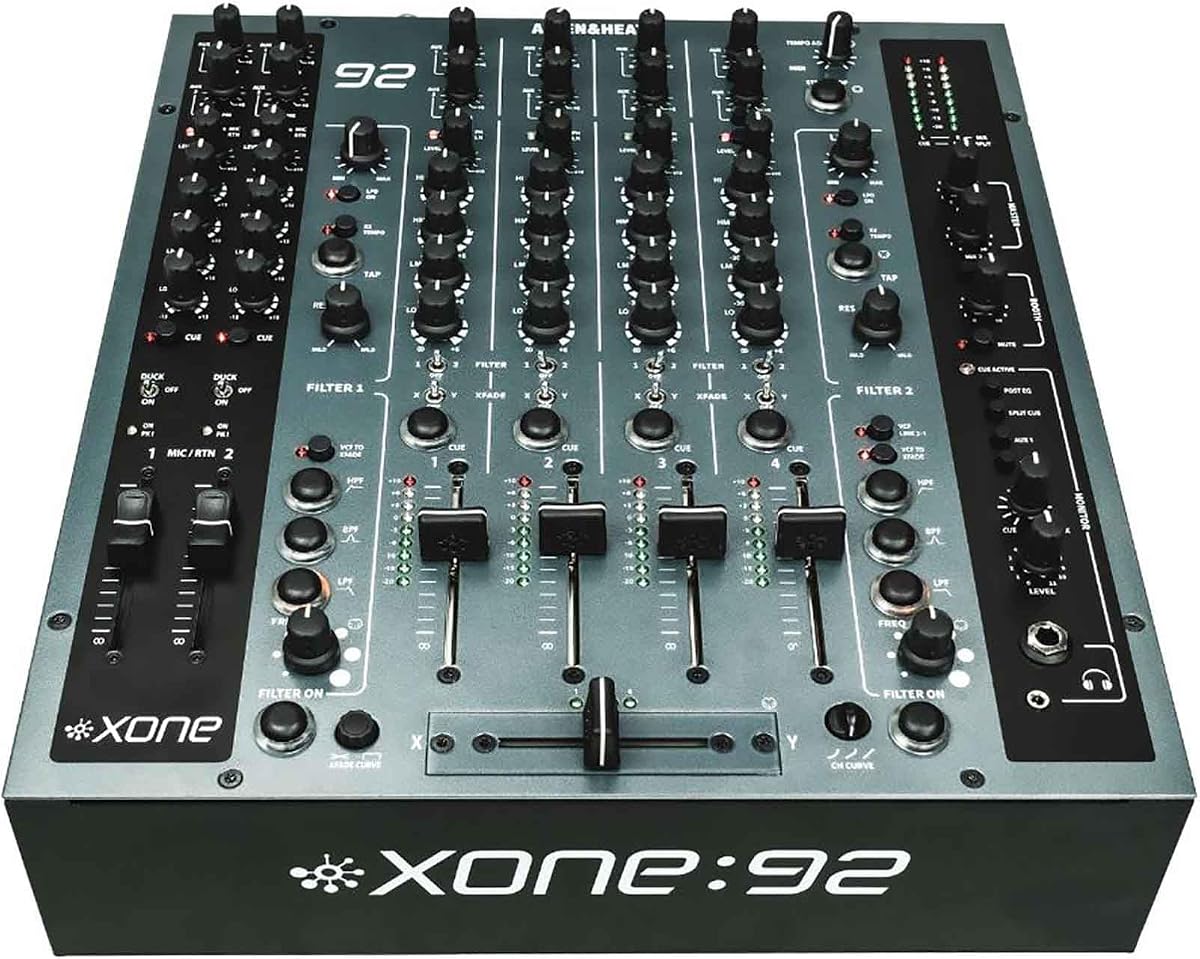
The Allen & Heath Xone:92 Mk2 is a high-performance analog DJ mixer known for its sonic quality and flexible routing. It delivers a smooth analog signal path essential for serious mixing.
We may earn a commission when you buy through this link, at no additional cost to you.
The VCF switching allows you to choose between different filter modes for creative sound shaping. Multiple aux and send/return connections enable seamless integration with external effects units.
Build quality is top-notch with durable controls that withstand heavy use. The analog summing ensures low noise and clear separation even at high volumes.
Best for professional DJs and producers who need reliable analog performance, this mixer is an investment. It offers the connectivity and sound quality needed for complex live setups.
Switching modes on the voltage controlled filter gives you access to different filter characteristics for more varied sound design.
Individual dry and wet controls on send/return make it easy to blend external effects into the mix without losing the original signal.
We may earn a commission when you buy through this link, at no additional cost to you.
The Allen & Heath Xone:43 offers a compact yet powerful analog mixing experience. It is designed for DJs who need high performance without the bulk of a larger unit.
We may earn a commission when you buy through this link, at no additional cost to you.
The Xone Voltage Controlled Filter system provides resonance and frequency control for dynamic sound shaping. This analog approach ensures clarity and punch that digital models often struggle to match.
Send and return connections allow you to integrate external effects easily into your setup. The innofader compatibility ensures smooth scratching and blending for turntablists.
This mixer is a top choice for mobile DJs and club professionals alike. With a five-star rating, it proves its reliability and audio quality in real-world environments.
The voltage controlled filter offers deep control over frequency filtering allowing you to carve out space for each track.
The design supports innofader replacement for a smoother crossfader experience if you prefer aftermarket upgrades.
We may earn a commission when you buy through this link, at no additional cost to you.
The Mackie 1202VLZ4 is a staple for compact mixing needs in live and studio settings. Its 12-channel layout provides ample inputs for small bands or broadcast setups.
We may earn a commission when you buy through this link, at no additional cost to you.
Featuring Onyx mic preamps, it delivers incredible low noise and wide gain range. This ensures your vocals and instruments are captured with clarity even in noisy environments.
Distortion remains impressively low across the frequency range making it suitable for critical applications. The three-band EQ and low-cut filter allow for quick shaping of problematic frequencies.
Best for budget-conscious users needing reliable analog quality, this mixer is a strong performer. It delivers professional sound in a small footprint suitable for portable use.
The preamps offer 60dB gain and low noise performance ensuring clean signal paths for dynamic and condenser mics.
With distortion below 0.0007% this mixer maintains fidelity across the full audio spectrum for clean mixes.
We may earn a commission when you buy through this link, at no additional cost to you.
The Solid State Logic BiG SiX is a premium mixing console and audio interface designed for hybrid production. It brings SuperAnalogue technology to your desk with exceptional fidelity and routing.
We may earn a commission when you buy through this link, at no additional cost to you.
With 18-input summing and a stereo master bus compressor, it gives you the tools to shape your mix before it hits the DAW. The monitoring section is comprehensive for critical listening.
The 24-bit 96 kHz conversion ensures high resolution for your digital recordings. This unit bridges the gap between analog warmth and modern digital precision perfectly.
Best for professional studios seeking the highest quality analog summing, it is a significant investment. If you need top-tier processing and sound, the BiG SiX delivers industry-standard results.
SuperAnalogue mic pres and circuitry ensure low noise and wide dynamic range for capturing professional quality sound.
The stereo master bus compressor helps glue your mix together while adding warmth and cohesion to the overall sound.
We may earn a commission when you buy through this link, at no additional cost to you.
The Yamaha MG10 is a 10-input standalone mixer ideal for beginners and small venues. It provides the essentials for mixing live sound or simple recording setups without unnecessary complexity.
We may earn a commission when you buy through this link, at no additional cost to you.
Studio-grade D-PRE preamps deliver natural sounding bass and smooth highs. This ensures that even without effects or digital features, the core audio is clean and professional.
1-Knob compressors make dynamic control easy for guitars and vocals. The rugged chassis ensures durability for transport and regular use in various environments.
Best for those seeking simplicity and reliability, this mixer is a solid foundation. It is an excellent starting point for anyone new to analog mixing and audio routing.
Inverted Darlington circuit preamps provide fat natural sounding bass and smooth highs for a full frequency response.
1-knob compressors allow easy control for livelier guitars and punchier bass lines without deep technical knowledge.
We may earn a commission when you buy through this link, at no additional cost to you.
Selecting the right analog summing mixer depends on your workflow budget and sound goals. Consider these key factors to ensure you find the perfect unit for your needs.
The number of inputs you need depends on how many tracks you plan to sum at once. Studios mixing full bands will require more channels than those working with subgroups.
Choose a mixer that offers enough channels for your current setup while considering future expansion.
Check whether the mixer supports XLR TRS or RCA connections based on your existing gear. Some units are optimized for microphones while others suit line-level instruments.
Ensure the inputs match your source devices to avoid adapters and signal loss.
Transformers are central to the sound coloration in analog mixers. High-quality transformers add warmth and harmonics that digital plugins struggle to replicate.
Look for models with custom or renowned transformers if you seek specific tonal characteristics.
A good monitoring section allows you to switch between speakers and headphones easily. It should provide clear levels and volume control for accurate listening.
Prioritize units with flexible monitoring options if you work in a professional studio environment.
Analog mixers are often moved or transported so durability is important. Look for metal enclosures and robust knobs that can withstand frequent use.
Invest in units with solid construction to ensure long-term reliability.
Prices range significantly from affordable budget models to premium console-grade units. Determine how much you are willing to spend for the sound quality you need.
Balance your budget with the features that matter most to your workflow and goals.
Consider how the mixer fits into your existing digital or analog setup. Some units offer USB interfaces while others are purely analog summing boxes.
Choose a model that integrates smoothly with your current studio configuration.
Different brands have distinct sonic signatures such as warm British or clean transparent styles. Listen to demos to hear how each unit colors your audio.
Select a mixer whose sound character matches the style of music you produce.
Connect your DAW outputs to the mixer inputs using balanced cables. Ensure gain levels are set properly to avoid clipping and maintain signal integrity.
Use the monitoring section to listen to the summed signal before it goes to your speakers or recorder. Adjust levels carefully to balance your mix effectively.
Keep your mixer dust-free and avoid placing it in humid environments. Clean knobs and faders regularly to maintain smooth operation and longevity.
An analog summing mixer combines multiple audio signals through analog circuitry instead of digital software. This process adds warmth depth and character to digital recordings creating a more organic sound.
Using a summing mixer provides harmonic saturation and spatial depth that digital plugins often lack. It helps glue tracks together and gives your mix a cohesive and professional feel.
Transformers are not strictly necessary but they add desirable harmonic distortion and warmth. If you seek classic analog character look for mixers with quality transformer circuits.
While some DJ mixers have analog paths they are designed for live performance not studio summing. Dedicated summing mixers offer better routing and quality for recording and mastering.
Balanced TRS or XLR cables are ideal to maintain signal integrity and reduce noise. Use high-quality shielded cables to prevent interference during your mixing sessions.
Yes many DAWs offer digital summing plugins that simulate analog behavior. However nothing fully replaces the tactile control and genuine sound of physical analog summing mixers.
The Neve 8816 Radial Mix 2:1 and SSL BiG SiX stand out as top options for different needs and budgets. Each offers unique strengths in sound quality and connectivity.
Prioritize features like channel count and transformer quality based on your specific production goals. Investing in a quality mixer can significantly improve your final mix sound.
Always check current pricing and availability before purchasing as deals vary frequently. Find the model that best fits your studio and workflow for the best results.