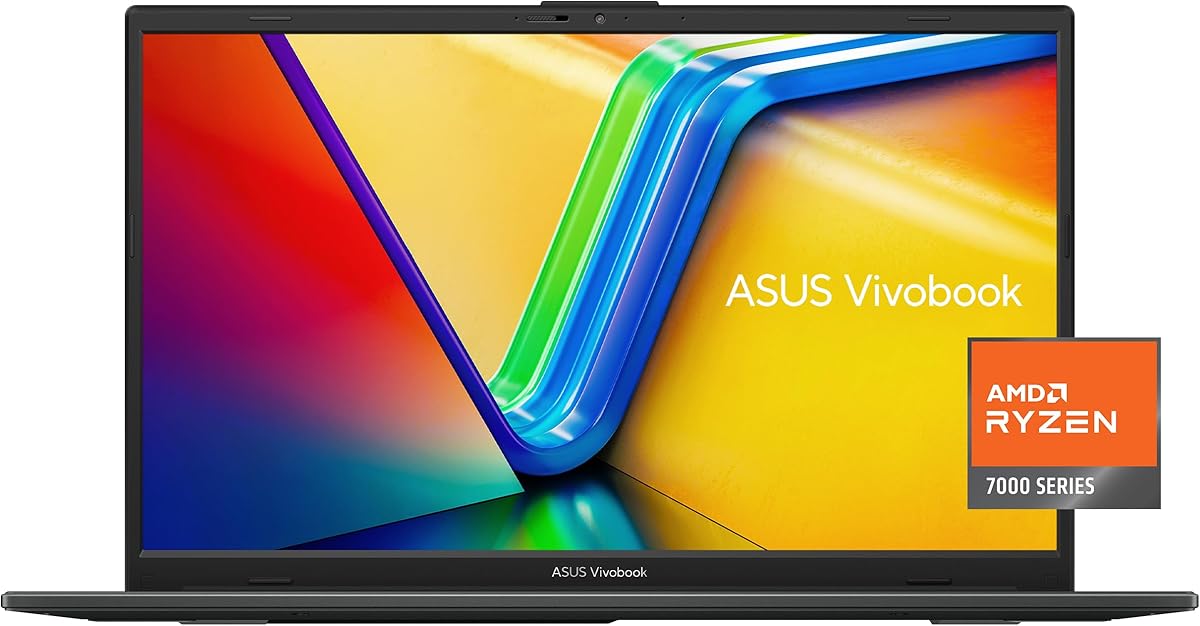
ASUS Vivobook Go 15
4.3Editor score
AMD Ryzen 3 7320U
Military grade durability
Lightweight slim design
Finding the right ASUS laptop for students requires balancing performance, portability, and battery life. Modern coursework demands reliable hardware for research, writing, and video calls. We analyzed ten models to highlight the best options for academic success.
Our comparison focuses on real-world usability, including processor speed, screen clarity, and build durability. We considered models ranging from entry-level to high-performance to ensure every budget is covered. Each device was evaluated on key criteria that matter most to learners.
Every pick below shows why it stands out, what it handles well, and who it suits best. We also include essential tips for choosing the right configuration for your major. Please note that availability and configurations may change over time.
4.3Editor score

4.8Editor score

4.5Editor score
As an Amazon Associate we earn from qualifying purchases.
The following table provides a side-by-side look at the core specifications of each model. This helps you quickly compare processors, memory, storage, and screen sizes to decide which fits your academic needs best.


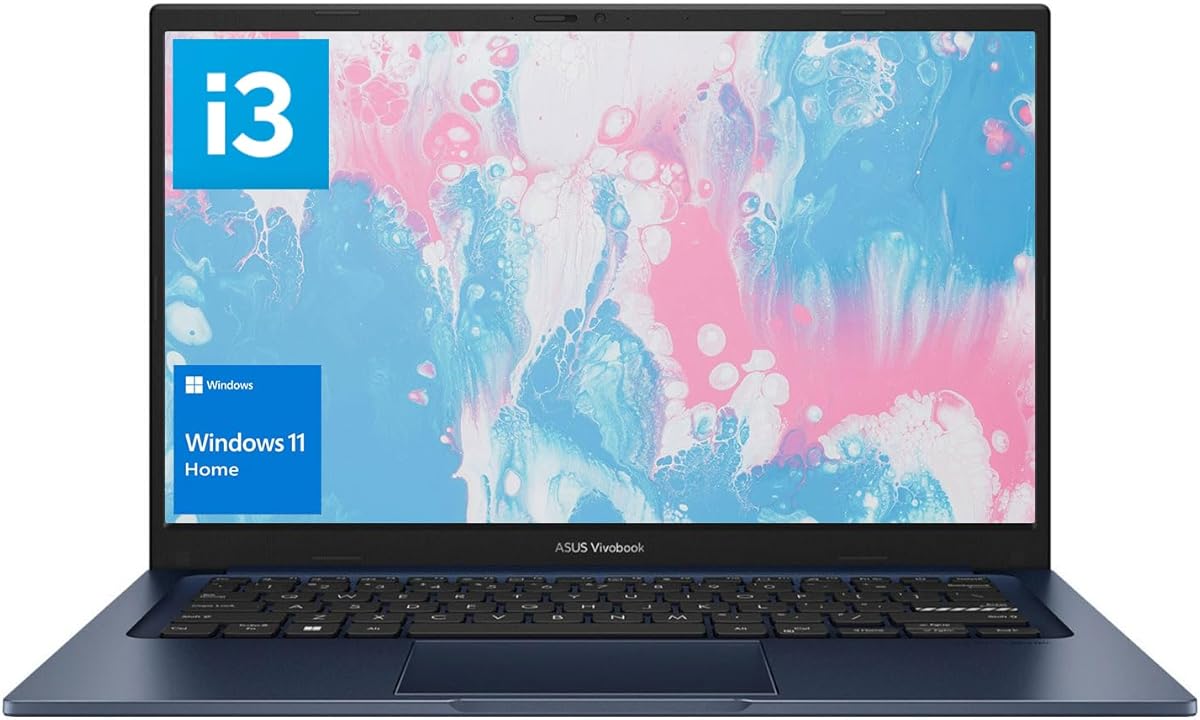
This Vivobook 14 stands out for its combination of efficiency and modern features. It holds a strong rating thanks to its Snapdragon X processor and generous RAM for multitasking.
We may earn a commission when you buy through this link, at no additional cost to you.
The 16GB of RAM ensures smooth performance when running multiple research tabs and documents. The display delivers crisp visuals ideal for reading long texts or watching lectures.
While most apps are optimized for ARM, some specialized software may require checking compatibility. However, daily student tasks are handled with ease and speed.
It is best for students prioritizing portability and battery life over legacy software needs. This model represents the future of efficient student computing.
The Snapdragon X processor is designed to maximize battery life, keeping you productive all day without a charger.
As a Copilot+ PC, it offers AI tools to streamline research and organization tasks effectively.
We may earn a commission when you buy through this link, at no additional cost to you.
This model delivers solid entry-level performance for general coursework. It balances cost and durability well, making it a top pick for budget-conscious students.
We may earn a commission when you buy through this link, at no additional cost to you.
The military grade build ensures it can withstand daily transit in a backpack. DDR5 RAM helps applications load quickly even with limited core count.
Storage is limited so cloud solutions are recommended. The screen is functional but not the brightest for outdoor use.
Choose this if you need a reliable machine for writing and browsing without breaking the bank.
Meets US military-grade standards, ensuring longevity through drops and bumps.
Includes a privacy shutter to protect your view during online classes.
We may earn a commission when you buy through this link, at no additional cost to you.
This bundle targets heavy users needing top-tier performance for complex tasks. It handles simulations, large datasets, and advanced editing with ease.
We may earn a commission when you buy through this link, at no additional cost to you.
The 32GB of RAM ensures no slowdowns even with dozens of apps running. The massive SSD stores entire libraries of files locally.
It is heavier than portable models and may draw attention in smaller classes. The cost is justified by its long-term capability.
Ideal for engineering or data science majors who need power on the go.
Fingerprint reader ensures secure and instant login without entering passwords repeatedly.
Windows 11 Pro offers features beneficial for advanced user management and security.
We may earn a commission when you buy through this link, at no additional cost to you.
This model improves on the base with a better processor and more storage. It maintains the slim look while offering more internal room.
We may earn a commission when you buy through this link, at no additional cost to you.
The fast charging means you can top up quickly between classes. Audio quality is enhanced for clear calls in noisy dorms.
Thermal tech keeps it cool even during heavy writing sessions. Storage is decent but RAM limits heavy multitasking.
Choose this if you need more storage and speed than the base model offers.
Fast-charge tech gets you to 50% in 30 minutes for minimal downtime.
AI noise-canceling isolates unwanted noise for smooth video calls.
We may earn a commission when you buy through this link, at no additional cost to you.
The 16-inch screen provides ample workspace for split-screen research. It shares the efficiency of the Snapdragon platform for longer battery life.
We may earn a commission when you buy through this link, at no additional cost to you.
The high resolution ensures text is sharp and readable without strain. This makes it great for long study sessions.
It is heavier and less pocketable than the 14-inch models. Ensure your bag can handle the extra size.
Select this if screen real estate is your priority over maximum portability.
The larger aspect ratio offers more vertical space for documents and code.
With 300 nits brightness, you can see clearly even in well-lit rooms.
We may earn a commission when you buy through this link, at no additional cost to you.
This bundle stands out by including a docking hub for easy connectivity. The 1TB drive is generous for storing large lecture recordings.
We may earn a commission when you buy through this link, at no additional cost to you.
Windows 11 Pro adds security and management features useful for internships. The 12GB RAM handles daily apps well.
The screen is adequate indoors but may struggle in bright sunlight. The hub adds value for presentations.
Choose this if you need extra storage and connectivity options for group work.
The bundled docking hub simplifies connecting to external monitors and peripherals.
Windows 11 Pro provides advanced tools for data protection.
We may earn a commission when you buy through this link, at no additional cost to you.
A balanced option with standard 16GB RAM for smooth multitasking. It fits the needs of general students well.
We may earn a commission when you buy through this link, at no additional cost to you.
The Core 5 ensures decent performance for everyday apps and tabs. Wi-Fi 6 keeps connection fast in crowded dorms.
It is heavier than the Go series which might be tiring. Battery is good but not exceptional for a full day.
Choose this if you want a standard reliable laptop without needing extreme specs.
16GB of RAM is sufficient for most students running multiple browsers and tools.
Wi-Fi 6 ensures stable internet access during peak usage times.
We may earn a commission when you buy through this link, at no additional cost to you.
This model emphasizes AI capabilities with the Ryzen AI 7 processor. It supports features like Live Captions and Recall for better workflow.
We may earn a commission when you buy through this link, at no additional cost to you.
The screen offers a 16:10 ratio for extra vertical space. The keyboard is backlit for low light study sessions.
Some AI features may require updates to reach full potential. The battery life is rated well for typical use.
Select this if you want to experiment with the latest AI tools on Windows.
The NPU handles AI tasks efficiently to preserve battery life for other tasks.
The 16:10 ratio offers more room for reading documents side by side.
We may earn a commission when you buy through this link, at no additional cost to you.
This model provides a simple setup with generous RAM for the price. It is suitable for pure writing and browsing tasks.
We may earn a commission when you buy through this link, at no additional cost to you.
The i3 processor handles basic tasks without struggle. The anti-glare screen helps with comfort in bright environments.
It lacks the performance for heavy editing or complex software. However, it is a solid reliable choice for writing.
Choose this for a straightforward no-fuss device for core academic work.
Getting 16GB of RAM at this price point is a strong value proposition.
The anti-glare panel reduces reflections for better viewing.
We may earn a commission when you buy through this link, at no additional cost to you.
The most accessible option for light needs like research and typing. It boots fast and handles web apps well.
We may earn a commission when you buy through this link, at no additional cost to you.
Fast charging keeps it ready for class quickly. The thin design makes it easy to carry in a backpack.
Performance drops with too many tabs or apps. It is best for minimalists or younger students.
Choose this if you need the lowest possible cost for basic tasks.
Fast-Charge tech gets to 60% in roughly 49 minutes.
Windows 11 in S Mode provides enhanced security for learners.
We may earn a commission when you buy through this link, at no additional cost to you.
Selecting the right laptop involves weighing several factors to match your major and budget. Here are the key elements to consider before purchasing.
For general coursework, a mid-range AMD Ryzen or Intel Core processor is ideal. If you run heavy applications, look for Ryzen 5 or Core 5 models.
Prioritize a modern CPU to ensure smooth operation for years of study.
8GB is the minimum for basic tasks but 16GB is recommended for open tabs and apps. More memory prevents slowdowns during busy study sessions.
Aim for 16GB RAM if your budget allows for better longevity.
Look for at least 512GB of SSD storage to save files locally. SSDs are faster and more durable than older eMMC options.
512GB offers a good balance of space and cost for students.
A 15.6-inch or larger screen helps with reading and multitasking. Ensure the panel has a 1080p resolution for sharp text.
Consider WUXGA screens for taller displays that offer more vertical space.
Students need a device that lasts through a full day of lectures. Models with efficient processors like Snapdragon or AMD Ryzen 5 are strong choices.
Check for fast charging support to top up quickly between classes.
Lighter laptops are easier to carry across campus. 14-inch models are more portable than 16-inch ones.
If you carry it daily, prioritize weight and slim dimensions.
Look for build quality that withstands daily handling. Some models feature military-grade durability ratings.
A sturdy chassis reduces the risk of damage in a backpack.
Ensure the laptop has enough ports for your devices. Wi-Fi 6 or 6E ensures fast internet speeds.
USB Type-C and HDMI ports are essential for connecting to displays.
To extend battery health, avoid draining it completely. Charge it regularly and keep it plugged in when using it on a desk.
Clean the screen with a microfiber cloth to avoid scratches. Avoid harsh chemicals that might damage the coating.
Use a carrying case to protect it during transport. This prevents dents and reduces stress on the hinges.
The ASUS Vivobook Go 15 offers excellent value with a modern processor and durable build. It handles essential tasks like writing and browsing efficiently. It is often the most affordable option for reliable daily use.
8GB is sufficient for light tasks but 16GB is recommended for future proofing. Many students run multiple apps at once which benefits from more memory. If possible, choose a model with 16GB for better performance.
Many models feature military-grade durability to withstand drops and bumps. The slim chassis is designed to fit in backpacks easily. Using a protective case adds another layer of safety.
Yes most models include an HDMI port and USB-C for video output. This allows you to connect to a larger display for home work. It is useful for creating a dual-screen study setup.
Most models offer between eight and twelve hours on a single charge. Battery life varies based on screen brightness and apps in use. Fast charging helps you get back to productivity quickly.
Many modern ultrabooks have soldered components that cannot be upgraded. It is best to choose the configuration that meets your long-term needs initially. Some models allow storage upgrades depending on the specific chassis design.
Most consumer models come with Windows 11 Home which is suitable for students. Some business bundles include Windows 11 Pro for advanced security. Check the product details to confirm the OS version.
This guide highlights the top ASUS laptops for students based on performance and value. The Vivobook 14 leads with its efficiency and modern features for most learners.
Prioritize memory and storage to ensure your device stays useful through your degree. Choose a screen size that balances portability with your need for workspace.
Always check current prices and configurations before buying as they change regularly. The right choice will support your academic goals with reliability and speed.