
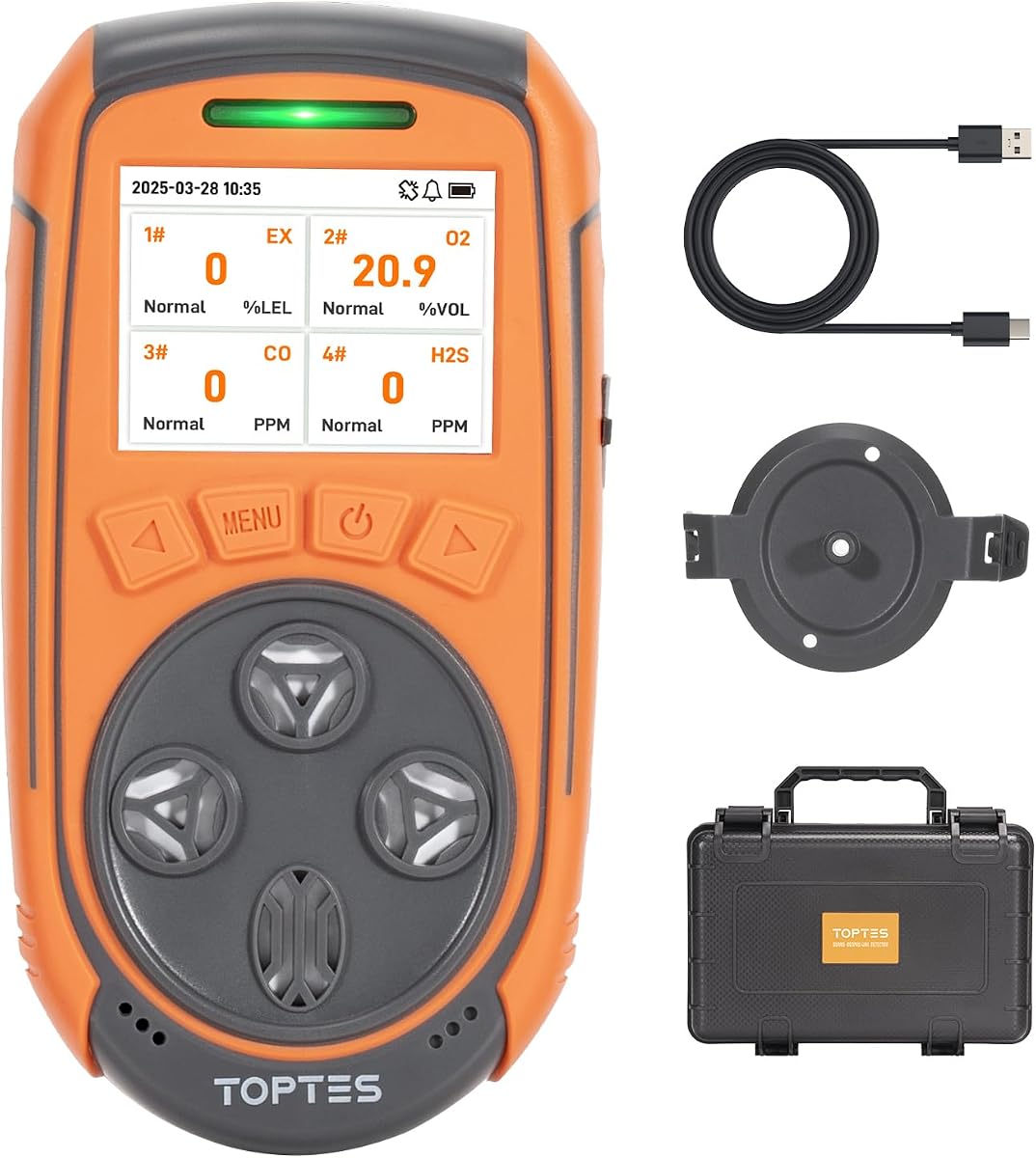
TOPTES Guard-633 H2S Detector
3.9Editor score
Seven day battery life
Clip on portable design
Triple alarm modes
This guide compares the top hydrogen sulfide monitors for safety compliance featuring detailed specs on sensors, alarms, and data logging for industrial use.
Hydrogen sulfide monitors are critical safety devices designed to detect toxic gas levels in industrial and confined spaces. Choosing the right monitor ensures worker safety and regulatory compliance across various environments.
We evaluated ten leading models based on sensor accuracy, battery life, alarm systems, and overall durability. Each product offers unique features tailored to different safety needs and operational requirements.
Our reviews highlight key strengths and trade-offs for every pick to help you make an informed decision. Please note that prices may change frequently so check current listings before purchasing.
3.9Editor score

4.6Editor score

5.0Editor score
This side-by-side comparison highlights the key specifications and capabilities of each model to help you identify the best fit for your specific safety monitoring needs.

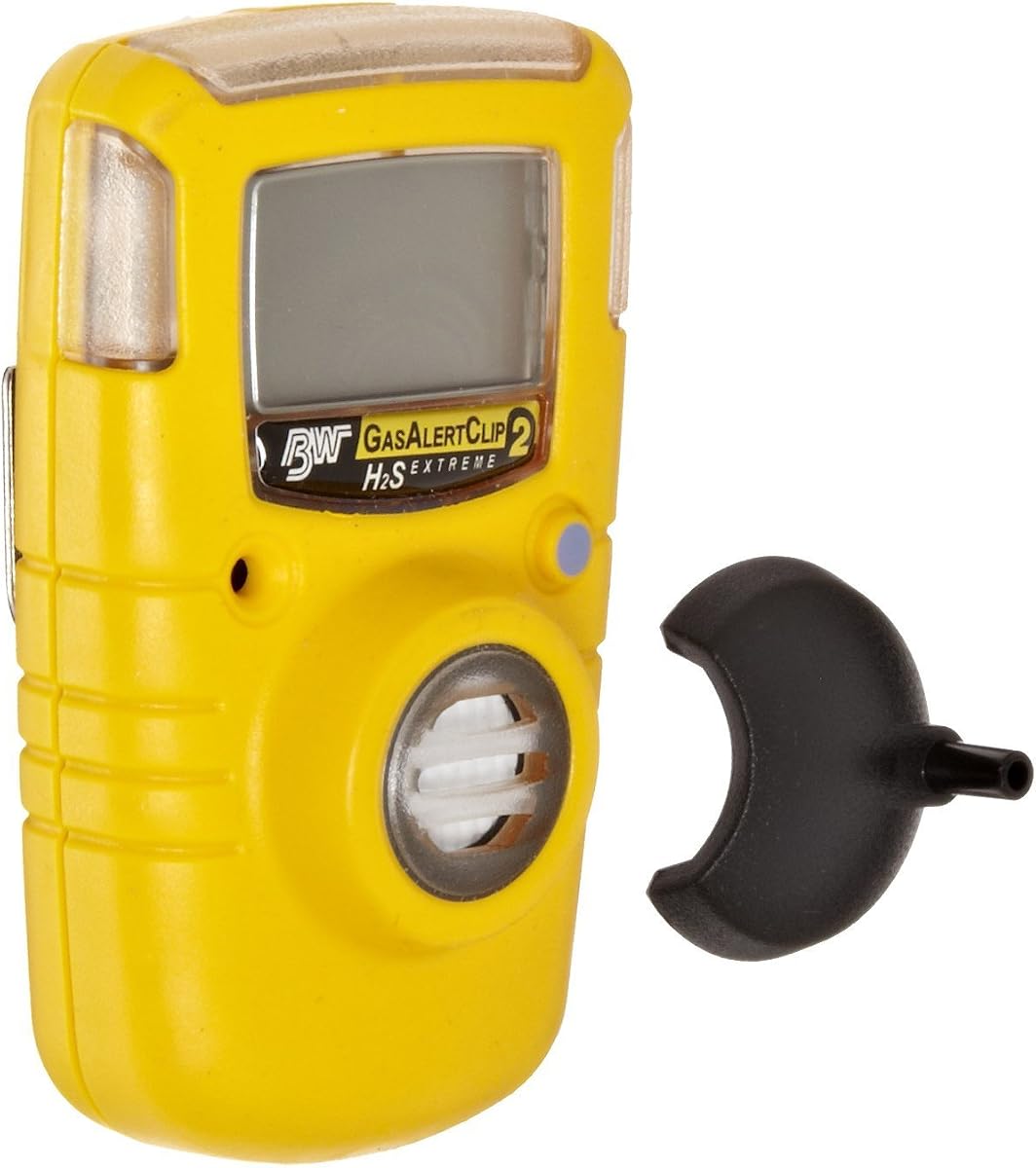


This device stands out as a top choice for hydrogen sulfide monitoring with a strong rating of 4.6. It is designed for simplicity and reliability in environments where H2S is the primary concern.
We may earn a commission when you buy through this link, at no additional cost to you.
The BW Clip features hibernation mode and automatic logging of recent gas events which helps maintain safety records easily. Its compatibility with IntelliDoX and other software solutions makes fleet management seamless.
While it lacks multi-gas capabilities the focused design ensures long battery life and ease of use. The trade-off is suitable for workers who do not need to monitor multiple gases simultaneously.
This monitor is ideal for industrial workers and contractors who need a reliable single gas detector. We recommend it for those prioritizing compliance and ease of maintenance.
Automatic logging of the 35 most recent gas events simplifies audit processes and ensures safety records are always up to date.
One-button operation and a compact lightweight design make it easy to carry and operate without extensive training.
We may earn a commission when you buy through this link, at no additional cost to you.
The Forensics Analyzer offers exceptional precision with a perfect 5.0 rating. It is best suited for laboratory or high-risk industrial settings where accuracy is paramount.
We may earn a commission when you buy through this link, at no additional cost to you.
Featuring a built-in pump and 0.1ppm resolution this monitor detects even trace amounts of hydrogen sulfide quickly. The USB data logging allows for detailed analysis and record keeping.
The color display and graph functions provide intuitive operation but add to the complexity compared to simpler clip-on devices. This is acceptable for users needing detailed data insights.
We recommend this for professionals requiring certified accuracy and advanced data tracking. It is a premium solution for those who prioritize reliability and traceability.
USA NIST traceable calibration ensures that your readings are trustworthy and meet rigorous industry standards for safety.
Computer data logging via USB makes it easy to export and analyze alarm events and gas trends over time.
We may earn a commission when you buy through this link, at no additional cost to you.
The MSA Altair is designed for superior lifespan with patented sensors that operate for over two years. This reduces long-term costs for facilities monitoring hydrogen sulfide regularly.
We may earn a commission when you buy through this link, at no additional cost to you.
It features LED audible and vibrating alarms to ensure alerts are noticed even in noisy environments. The high RFI resistance adds reliability in electrically noisy industrial settings.
While it lacks the advanced data logging of some competitors its durability and sensor life make it a strong choice. The trade-off is acceptable for users focused on long-term value.
This model is ideal for site managers looking for a reliable long-term solution. We recommend it for its balance of performance and durability.
Superior dust and water protection ensures the device remains functional even in harsh or dusty work environments.
Patented sensors operating for over two years reduce the frequency of replacements and lower maintenance overhead.
We may earn a commission when you buy through this link, at no additional cost to you.
This GasAlertClip Extreme is a top budget choice with a 4.3 rating. It offers zero maintenance since it requires no calibration or battery changes during its two-year life.
We may earn a commission when you buy through this link, at no additional cost to you.
Automatic event logging ensures that safety records are maintained without manual effort. The self-test function checks sensor and battery status regularly to ensure readiness.
The main trade-off is the fixed lifespan which may not suit users needing longer device life. However for short-term projects this is a cost-effective solution.
We recommend this for contractors or workers who need reliable protection without ongoing maintenance costs. It is a practical choice for facility safety.
The device is designed for zero maintenance meaning no calibration sensor replacement or battery charging is required for two years.
Exceptionally low cost of ownership makes it ideal for organizations managing large fleets of safety equipment.
We may earn a commission when you buy through this link, at no additional cost to you.
The Guard-863Pro is a versatile option with a 4.7 rating. It detects H2S alongside CO LEL and O2 making it ideal for varied environments where multiple hazards exist.
We may earn a commission when you buy through this link, at no additional cost to you.
With a TFT color screen and USB data export this monitor offers user-friendly operation and record keeping. The 5-year oxygen sensor lifespan adds long-term value to the device.
While it costs more than single gas detectors the added protection justifies the expense for many users. The trade-off is acceptable for those needing broader safety coverage.
This is perfect for confined space entry or home use where multiple gases may be present. We recommend it for its comprehensive safety features.
Simultaneous detection of four critical gases ensures comprehensive protection against a wider range of potential hazards.
The vivid TFT color screen allows for easy interpretation of real-time data even in low-light conditions.
We may earn a commission when you buy through this link, at no additional cost to you.
The Guard-101 offers multi-gas monitoring with a 4.1 rating. It is designed for both work and home use providing versatility for various safety scenarios.
We may earn a commission when you buy through this link, at no additional cost to you.
Features like vibration alarms and password protection prevent accidental operation and ensure alerts are noticed. The explosion-proof design adds safety for hazardous environments.
While it has a slightly shorter battery life than the Pro version its core safety features remain robust. The trade-off is acceptable for those needing basic multi-gas coverage.
We recommend this for homeowners or workers who need basic multi-gas monitoring. It is a reliable choice for general safety needs.
Explosion-proof design and vibration alarms ensure the device is safe to use in volatile environments and alerts are not missed.
Password protection prevents accidental changes to settings ensuring the device operates as intended at all times.
We may earn a commission when you buy through this link, at no additional cost to you.
The Guard-633 is an affordable hydrogen sulfide monitor with a 3.9 rating. It is a perfect entry-level device for individuals needing basic detection without high costs.
We may earn a commission when you buy through this link, at no additional cost to you.
Its 7-day battery life and 0.5-second response time make it practical for long shifts and quick hazard detection. The clip-on design ensures it stays accessible at all times.
While it lacks advanced data logging or multi-gas capabilities it delivers core functionality effectively. The trade-off is acceptable for users prioritizing budget over features.
We recommend this for budget-conscious users or light industrial use. It is a practical solution for routine safety checks.
With a 7-day battery life this monitor can last through multiple work weeks without needing a recharge.
The convenient clip-on design enhances portability making it suitable for hydrogen sulfide detection in harsh conditions.
We may earn a commission when you buy through this link, at no additional cost to you.
This portable detector offers a 3.8 rating and basic detection capabilities. It is designed for quick checks and casual use where advanced features are not required.
We may earn a commission when you buy through this link, at no additional cost to you.
The IP65 protection rating ensures it can handle dust and water resistance making it durable for outdoor use. The backlit LCD screen provides clear readings at a glance.
While it lacks calibration or advanced logging it serves its purpose as a simple detector. The trade-off is acceptable for non-critical safety applications.
We recommend this for homeowners or small businesses needing basic leak detection. It is a cost-effective option for low-risk environments.
Rated IP65 for dust and water resistance this detector is durable and suitable for use in demanding industrial environments.
Features a backlit LCD screen for clear PPM readings at a glance even in low-light conditions.
We may earn a commission when you buy through this link, at no additional cost to you.
This Forensics monitor boasts a 4.4 rating with NIST traceable calibration for high accuracy. It is ideal for professionals requiring certified readings and multi-gas coverage.
We may earn a commission when you buy through this link, at no additional cost to you.
The rechargeable USB battery and robust design ensure longevity and ease of maintenance. Adjustable audio and visual alarms help ensure alerts are noticed in any environment.
While the cost is higher the calibration assurance makes it valuable for compliance-sensitive industries. The trade-off is acceptable for users needing certified accuracy.
We recommend this for safety managers and industrial teams. It is a top choice for reliable multi-gas monitoring.
USA NIST traceable calibration ensures the device meets rigorous standards and provides trustworthy readings.
USB rechargeable capability reduces ongoing costs and simplifies battery management for field teams.
We may earn a commission when you buy through this link, at no additional cost to you.
This Honeywell BW Clip has a 4.4 rating and shares features with the BWC2-H. It is a reliable single gas detector for hydrogen sulfide monitoring.
We may earn a commission when you buy through this link, at no additional cost to you.
Automatic logging of gas events helps maintain safety records without manual effort. The hibernation mode extends battery life for workers who are not on site.
While it lacks advanced data export capabilities its simplicity makes it easy to use. The trade-off is acceptable for routine monitoring needs.
We recommend this for general industrial use where simplicity is key. It is a strong choice for reliable single gas protection.
Hibernation mode extends battery life ensuring the device remains ready when workers return to the field.
One-button operation and lightweight design provide heightened safety and ease of use during long shifts.
We may earn a commission when you buy through this link, at no additional cost to you.
Choosing the right monitor involves evaluating sensor types, features, durability, and compliance needs to ensure safety and effectiveness.
Sensor accuracy determines how closely the monitor reflects actual gas levels. Look for high-precision sensors with low ppm resolution to detect hazardous levels early.
Prioritize monitors with calibrated sensors for reliable readings.
Some devices require frequent calibration while others offer zero-maintenance. Calibration impacts long-term costs and operational efficiency.
Choose based on your maintenance capacity and compliance needs.
Battery life affects how long the monitor works without recharging. Longer life ensures continuous protection during shifts.
Look for rechargeable or long-life battery options.
Alarms must be audible visual or vibrating to ensure alerts are noticed. Multi-mode alarms are essential for noisy environments.
Ensure alarms are adjustable for safety thresholds.
Monitors should withstand dust water and harsh conditions. IP ratings and explosion-proof certifications are important.
Select rugged models for industrial settings.
Data logging helps track gas events and maintain compliance records. USB or digital export options simplify reporting.
Choose devices with logging if record keeping is required.
Decide if you need single or multi-gas detection. Multi-gas monitors cover more hazards but cost more.
Pick based on the specific risks of your environment.
Certification ensures the device meets industry standards. Look for NIST traceable or factory certifications for compliance.
Verify certifications for your local safety regulations.
Always turn on the monitor before entering an area where hydrogen sulfide is possible. Allow time for the sensor to stabilize before relying on readings.
Regularly bump test your monitor to ensure alarms and sensors are working correctly. Follow the manufacturer guidelines for testing frequency.
Store the device in a clean dry place away from extreme temperatures. Charge or replace batteries as needed to maintain readiness.
Hydrogen sulfide is a toxic gas found in industrial and natural environments. Monitoring is crucial because exposure can cause severe health issues or death.
Calibration frequency varies by model. Zero-maintenance monitors may need it once every two years. Standard models typically require monthly or quarterly calibration.
No, single gas monitors only detect one gas. Use multi-gas monitors in environments where multiple gases like CO or O2 are present.
Most monitors have adjustable alarm thresholds. Common levels are 10 ppm for low alarm and 20 ppm for high alarm to ensure early warnings.
No, data logging is a feature on advanced models. Basic clip-on monitors often do not store data but still provide essential alerts.
Maintain your monitor by bump testing regularly storing it properly and keeping sensors clean. Follow the manufacturer instructions for battery care.
IP65 means the device is dust tight and resistant to water jets. It ensures the monitor can operate safely in harsh or wet environments.
Yes, NIST certified monitors provide traceable accuracy for compliance. They are valuable for industries requiring documented safety proof.
Our top picks include the BW Clip for simplicity and the Forensics Analyzer for precision. Each model serves different safety needs from budget to premium.
Prioritize features like calibration accuracy and battery life based on your environment. Compliance and safety should drive your final decision.
Always check current prices and availability before purchasing to ensure you get the best deal for your safety equipment needs.