
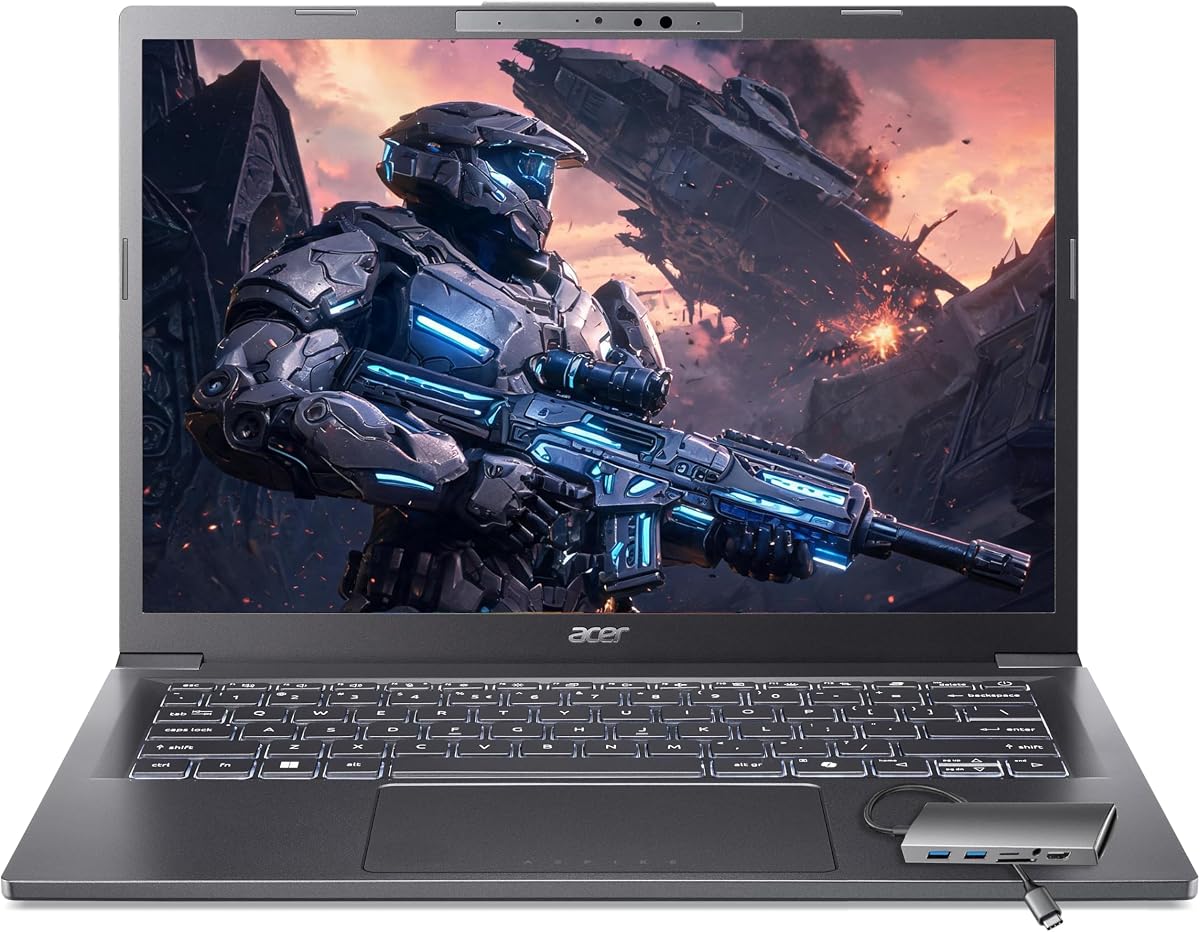
NIMO 15.6 AI Creator Laptop
5.0Editor score
Ryzen 5 6600H
16GB DDR5 RAM
512GB PCIe SSD
Choosing the right laptop for Lumion requires balancing powerful hardware with portability. Architects and designers need machines that handle complex 3D models without lag during real-time rendering sessions.
We evaluated ten top models based on processor speed, graphics capabilities, and screen fidelity. Our analysis ensures you find a device that supports demanding visualization workflows efficiently and reliably.
Each pick highlights key strengths and potential limitations for creative work. Note that availability and specific configurations may vary by region and retailer at any given time.
5.0Editor score

4.7Editor score
4.8Editor score
As an Amazon Associate we earn from qualifying purchases.
The following table provides a side-by-side comparison of all ten selected laptops. Review each specification to identify the best match for your specific rendering needs and budget constraints.
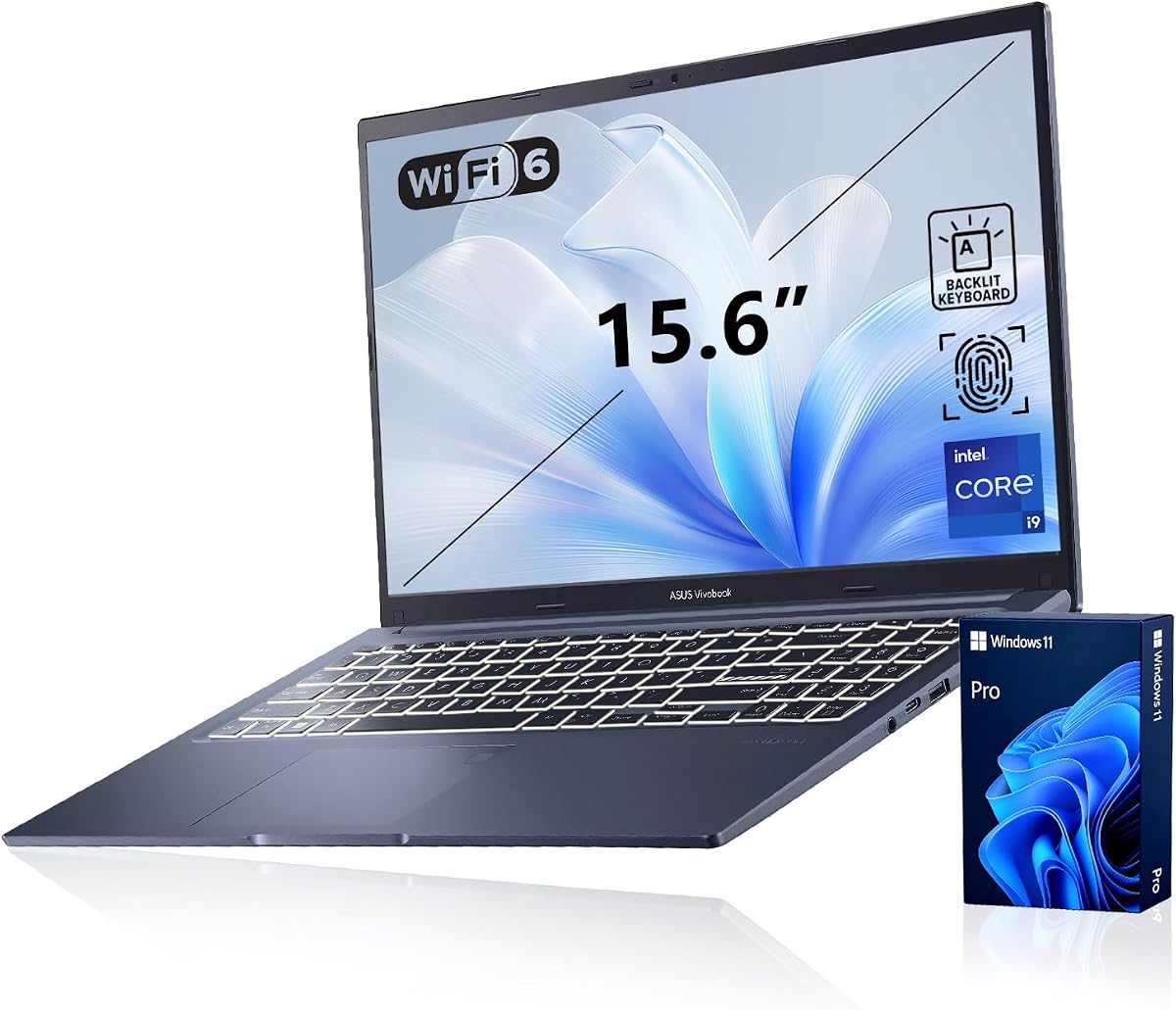


This laptop combines a powerful Ryzen 7 processor with substantial RAM, making it a strong candidate for complex Lumion tasks. Its rating reflects user satisfaction with daily performance and reliability.
We may earn a commission when you buy through this link, at no additional cost to you.
The 32GB DDR5 memory ensures smooth operation when handling large 3D assets alongside other applications. The 17.3-inch display provides ample workspace for detailed design reviews.
While the integrated graphics are capable, they may struggle with ultra-high-resolution final renders compared to dedicated GPUs. However, for real-time viewport navigation, it performs admirably.
Ideal for architects needing a portable yet potent workstation. This model balances speed and screen size effectively for professional visualization workflows.
The 32GB RAM allows seamless switching between CAD software, rendering engines, and communication tools without slowdowns.
Multiple USB and HDMI ports facilitate easy connection to external monitors and storage devices for project transfers.
We may earn a commission when you buy through this link, at no additional cost to you.
A standout budget choice, this laptop offers robust performance for entry-level 3D work. Its perfect rating highlights reliability and value for money across various user groups.
We may earn a commission when you buy through this link, at no additional cost to you.
The Ryzen 5 processor handles moderate modeling tasks efficiently. The 16GB DDR5 RAM provides a solid foundation for standard Lumion projects without immediate bottlenecks.
While storage is limited initially, the upgrade slots allow for future expansion. The smaller screen is manageable for focused work but less ideal for wide multi-window setups.
Perfect for students or freelancers starting out. It delivers necessary computing power without a premium price tag.
This model proves that high-quality rendering tools do not require excessive spending when hardware is well-optimized.
Dual RAM and storage slots ensure the device remains relevant as project sizes grow over time.
We may earn a commission when you buy through this link, at no additional cost to you.
This premium laptop leverages AI acceleration for enhanced productivity. The high rating reflects its advanced features and build quality suitable for modern professionals.
We may earn a commission when you buy through this link, at no additional cost to you.
The Intel Ultra 7 processor with NPU supports efficient task automation. With 2TB storage, you can keep entire project libraries locally without relying on external drives.
Though the screen is compact, the touch capability adds intuitive control for design adjustments. Portability is excellent for on-site client presentations.
Best for executives and designers prioritizing speed and AI features. It is a powerful tool for high-end creative workflows.
Integrated AI accelerators optimize rendering and background tasks, significantly reducing wait times for complex operations.
Weighing under four pounds, this device is easily transportable without sacrificing essential performance capabilities.
We may earn a commission when you buy through this link, at no additional cost to you.
Powered by an i9 processor, this laptop excels in raw processing power. Its perfect rating indicates strong user confidence in reliability and build.
We may earn a commission when you buy through this link, at no additional cost to you.
The customizable RAM options allow scaling up to 48GB for massive datasets. The numeric keypad aids precision input for CAD software.
Integrated graphics may bottleneck extreme rendering scenarios. Thermal management is crucial when pushing the processor to its limits.
Recommended for users prioritizing CPU speed over GPU performance. It handles calculations and data processing exceptionally well.
Upgrading to 48GB RAM ensures smooth handling of extremely complex architectural models without system lag.
Physical webcam shutters and biometric login protect sensitive design files and client information effectively.
We may earn a commission when you buy through this link, at no additional cost to you.
This model offers a large viewing area within a lightweight chassis. Users appreciate its balance of portability and screen space for visual tasks.
We may earn a commission when you buy through this link, at no additional cost to you.
The 17.3-inch display facilitates detailed design review without external monitors. Its slim profile makes it easy to carry to meetings.
While specs are standard, they suffice for moderate Lumion projects. The included warranty adds peace of mind for long-term usage.
Ideal for professionals needing screen real estate on the go. It is a practical choice for daily design work.
A 17.3-inch display reduces eye strain during long design sessions by providing a clear, expansive workspace.
Local customer support ensures quick resolution of any technical issues, keeping productivity uninterrupted.
We may earn a commission when you buy through this link, at no additional cost to you.
Featuring an i9 processor and 32GB RAM, this unit delivers impressive speed. The bundle includes a cooler to maintain performance during heavy use.
We may earn a commission when you buy through this link, at no additional cost to you.
The included PCO Cooler addresses thermal throttling, ensuring stable performance. This is a distinct advantage for sustained rendering sessions.
DDR4 RAM is functional but slightly older than DDR5. The extra cooler adds minor weight to an otherwise sleek design.
Great for users needing high CPU performance at a reasonable weight. The cooler ensures sustained speed.
An included external cooler prevents overheating, allowing the CPU to sustain peak frequencies for longer periods.
High-speed SSD and ample RAM streamline file transfers and application loading for rapid project iteration.
We may earn a commission when you buy through this link, at no additional cost to you.
Designed for business needs, this laptop offers a sturdy build and a large screen. It is rated well for general office and design tasks.
We may earn a commission when you buy through this link, at no additional cost to you.
The numeric keypad simplifies data entry, while the 17.3-inch display supports comfortable viewing. Battery life is sufficient for a full workday.
Performance is average for high-end rendering. The webcam resolution is lower than modern HD standards but adequate for standard calls.
Suitable for corporate environments requiring reliability. It balances professional features with practical usability.
A full-size keyboard with numeric keypad speeds up data entry and technical input for architectural specifications.
Extended battery life ensures you can work uninterrupted during travel or long meetings without searching for outlets.
We may earn a commission when you buy through this link, at no additional cost to you.
This model focuses on portability and battery life. While basic, it suits light administrative tasks and simple project reviews.
We may earn a commission when you buy through this link, at no additional cost to you.
The Celeron processor is sufficient for light work but may lag with heavy 3D scenes. Its lightweight build makes it easy to carry.
4GB RAM limits multitasking during rendering. It is better suited for presentations or client meetings than active design work.
Best for users needing a secondary device. It is ideal for communication and light data management.
Weighing just under three pounds, this laptop is effortlessly portable for daily commutes or travel.
Optimized power management extends battery life significantly, supporting long days without access to power sources.
We may earn a commission when you buy through this link, at no additional cost to you.
With an RTX GPU, this laptop excels at GPU-accelerated rendering. It is a top pick for users prioritizing real-time visualization speed.
We may earn a commission when you buy through this link, at no additional cost to you.
The dedicated graphics card accelerates ray tracing and high-resolution exports. The 165Hz screen ensures fluid motion during model manipulation.
Gaming aesthetics may not fit all office environments. The weight is higher, reducing portability compared to ultrabooks.
Ideal for architects needing maximum rendering power. It delivers high performance for demanding visualization tasks.
The RTX 5060 GPU handles complex lighting calculations and textures, drastically reducing rendering wait times.
A 165Hz refresh rate ensures smooth panning and zooming in 3D environments for a responsive user experience.
We may earn a commission when you buy through this link, at no additional cost to you.
A budget-friendly option with a large screen. It is suitable for basic project viewing and lightweight administrative tasks.
We may earn a commission when you buy through this link, at no additional cost to you.
The 17.3-inch display aids in reviewing plans. Battery life is impressive, allowing long periods of use without charging.
8GB RAM and a basic CPU limit complex 3D tasks. It is best for presentations rather than active heavy design.
Great for casual users or clients needing project previews. It offers good value for light visual tasks.
With up to 14 hours of battery life, this device supports extended work sessions without interruption.
Despite its lower price, it maintains essential features like a large display and reliable basic performance.
We may earn a commission when you buy through this link, at no additional cost to you.
Selecting a laptop for Lumion requires understanding how specific components impact rendering speed and overall performance. This guide outlines key factors to ensure you make an informed decision.
The central processing unit (CPU) is critical for handling 3D model calculations. Look for multi-core processors like Ryzen 7 or Core i7 to ensure smooth multitasking and faster viewport navigation.
A processor with at least six cores will handle complex scenes without lagging.
Random Access Memory (RAM) determines how many applications and large files you can handle simultaneously. For Lumion, 16GB is the minimum recommended standard.
32GB or more ensures smooth performance when running multiple design tools together.
The GPU is the most vital component for rendering and real-time visualization. Dedicated graphics cards offer significantly better performance than integrated solutions for high-resolution rendering.
Opt for an NVIDIA RTX series GPU if budget allows for the best visual fidelity.
A high-quality screen with accurate colors and sufficient size helps in precise design work. A resolution of at least 1920×1080 is standard for clear image detail.
Larger screens like 17 inches provide more workspace for complex layouts.
Solid State Drives (SSDs) are essential for fast boot times and loading large project files quickly. NVMe SSDs offer the best read/write speeds available today.
At least 512GB of storage is recommended to accommodate large 3D assets efficiently.
If you travel to client sites, weight and battery duration are crucial. Lightweight designs under four pounds are easier to carry daily.
Aim for at least eight hours of battery life for productive work away from outlets.
Multiple ports ensure you can connect external monitors and storage devices without adapters. USB-C and HDMI ports are essential for versatile connections.
Verify the presence of enough ports for your specific workflow needs.
A sturdy build withstands daily transport while an effective cooling system prevents overheating during intensive rendering tasks.
Look for laptops with proven thermal management to sustain peak performance.
Keep your software updated to utilize the latest optimizations and security features. Regular driver updates for your graphics card ensure compatibility with new rendering engines.
Protect your device from physical damage by using a padded case during transport. Avoid placing heavy objects on the laptop lid to prevent screen cracks.
Maintain optimal performance by clearing temporary files and managing storage regularly. Use external drives for archiving large projects to free up internal space for active work.
For smooth operation, 16GB of RAM is generally considered the minimum. However, 32GB is recommended for handling larger scenes and complex textures without slowdowns.
Yes, a dedicated GPU is highly recommended for efficient rendering and smooth real-time visualization. Integrated graphics can work for very basic tasks but often lack the power for professional use.
A touchscreen allows intuitive zooming and rotation, which can enhance user experience. While not strictly necessary, it offers a more interactive way to navigate models.
Resolution impacts detail visibility. A Full HD (1920×1080) screen is standard, but higher resolutions offer sharper images for precise editing and detailed views.
Multi-core processors like the Ryzen 7 or Core i7 series offer excellent performance. These CPUs handle parallel processing well, significantly speeding up render times.
Many models allow upgrades, but some newer ultrabooks have soldered RAM. Always check the specific product details to confirm upgradeability before purchasing.
Selecting the right laptop depends on your specific needs for speed, portability, and budget. Our top picks cover various scenarios from entry-level to high-performance work.
Prioritize the CPU and GPU based on your rendering workload. For professional architects, investing in high-performance components ensures long-term efficiency.
Always verify the current availability and specifications before purchasing. Technology advances rapidly, so checking the latest details ensures you get the best value today.