10 Best Bed Alarm for Elderly and Dementia Patients (November 2026) Expert Guide
Written by Elena · Updated November 2026
Finding the right bed alarm for elderly and dementia patients is crucial for maintaining safety and independence. These devices detect movement or pressure changes to alert caregivers when a loved one attempts to leave the bed, significantly reducing fall risks during nighttime hours.
We evaluated ten leading models based on sensor sensitivity, range, ease of use, and durability. Each product was assessed for its ability to provide timely alerts without causing unnecessary disruptions, ensuring reliable monitoring for both home and facility care settings.
Each pick highlights specific strengths like wireless range, vibration options, and waterproof designs. Note that product availability and pricing can fluctuate, so verify current details before purchasing to ensure you get the best value for your care needs.
Top 3 Picks for Best Bed Alarm for Elderly and Dementia Patients
Best Budget
Upgraded Version Bed Sensor Alarm and Fall Prevention for Elderly/Dementia and More,Caregiver Pager Motion Sensor Alert with 5 Volume Level,Bed Alarm for Elderly Adults Wireless
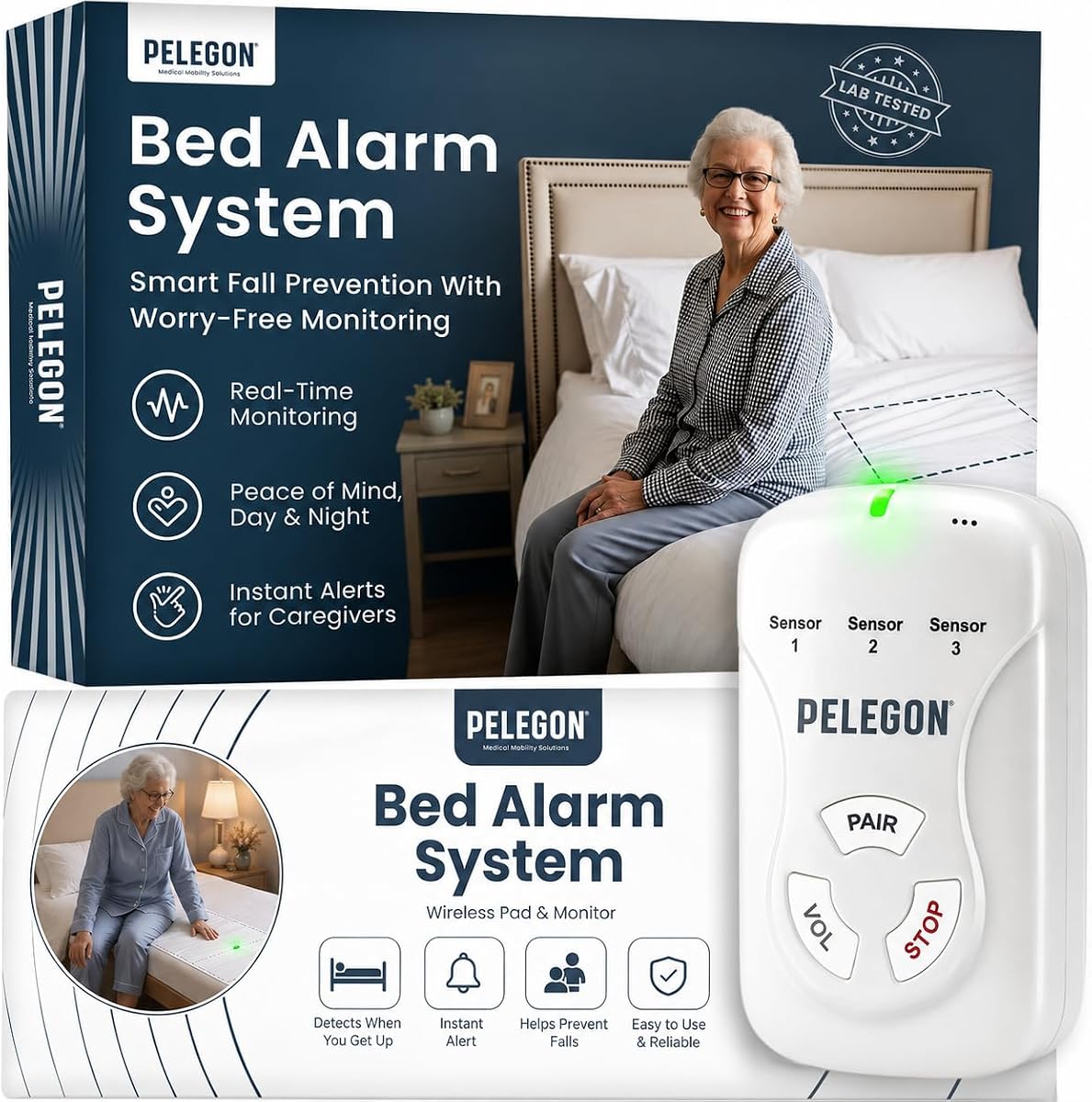
PELEGON Bed Alarms for Elderly Dementia Patients – Safety Wireless Sensor Pad and Pager Fall Prevention for Dementia Care Custom Volume Sound Or Vibration Long Range Coverage Tool-Free Setup
As an Amazon Associate we earn from qualifying purchases.
Top 10 Best Bed Alarm for Elderly and Dementia Patients in 2026 Compared
This side by side comparison evaluates all ten selected bed alarm systems to help you find the perfect match for your specific care requirements and environment.
The PELEGON Bed Alarms for Elderly Dementia Patients stands out as a top choice for caregivers seeking reliable monitoring. With a strong rating of 4.7 stars, this system combines a wireless sensor pad with a pager to ensure you are notified instantly when movement is detected.
Pros
Long range coverage
Quiet vibration mode
Easy to install
Strong dementia focus
Custom volume control
Cons
Higher price point
Pad requires firm bed
We may earn a commission when you buy through this link, at no additional cost to you.
Its standout quality is the long range coverage of up to 328 feet, allowing caregivers to be in another room while still maintaining constant vigilance. The system is specifically designed for dementia care, helping to reduce unsafe wandering and nighttime accidents effectively.
One trade-off is the price point, which is higher than basic motion sensors, but the durability and specialized features justify the cost for many families. The setup is tool free and takes only seconds, making it accessible even for those less tech savvy.
This product is ideal for caregivers who need flexibility and peace of mind throughout the home. We recommend it for those prioritizing early detection and comfort without compromising on alert reliability for elderly patients.
Tailored for Dementia Safety
The system is engineered to detect movement as a loved one begins to rise, giving you valuable seconds to assist before a fall risk occurs.
Flexible Alert Modes
Choose sound alerts, adjust volume, or use vibration only mode for quiet monitoring in shared rooms or overnight care without waking the patient.
The Smart Caregiver Bed Alarm for Elderly Adults offers a classic and reliable solution for monitoring patients. With a 4.2 star rating, this product uses a pressure sensitive pad to alert you immediately when your loved one leaves the bed.
Pros
Proven reliable design
In room alarm option
Durable vinyl material
Low cost entry
Simple battery use
Cons
Basic feature set
Wired connection needed
We may earn a commission when you buy through this link, at no additional cost to you.
Its key strength lies in the simple operation and durable vinyl sensor pad that resists incontinence. The alarm can be mounted on a bed or wall for easy access, providing a straightforward approach to safety without complex setup requirements.
A trade-off is the lack of advanced wireless features in the base model, requiring a wired connection between the pad and monitor. However, an optional wireless add-on kit is available for those needing more flexibility later.
This alarm is best suited for caregivers looking for a no fuss, budget friendly option. It is perfect for rooms where the monitor can stay close by, ensuring immediate awareness when assistance is needed.
Flexible Alert Options
The in room alarm can remind your loved one to remain seated until help arrives, offering an extra layer of safety before they stand.
Durable Protection
The soft vinyl sensor pad is sealed for incontinence protection and easy to clean with a wet cloth, ensuring hygiene over time.
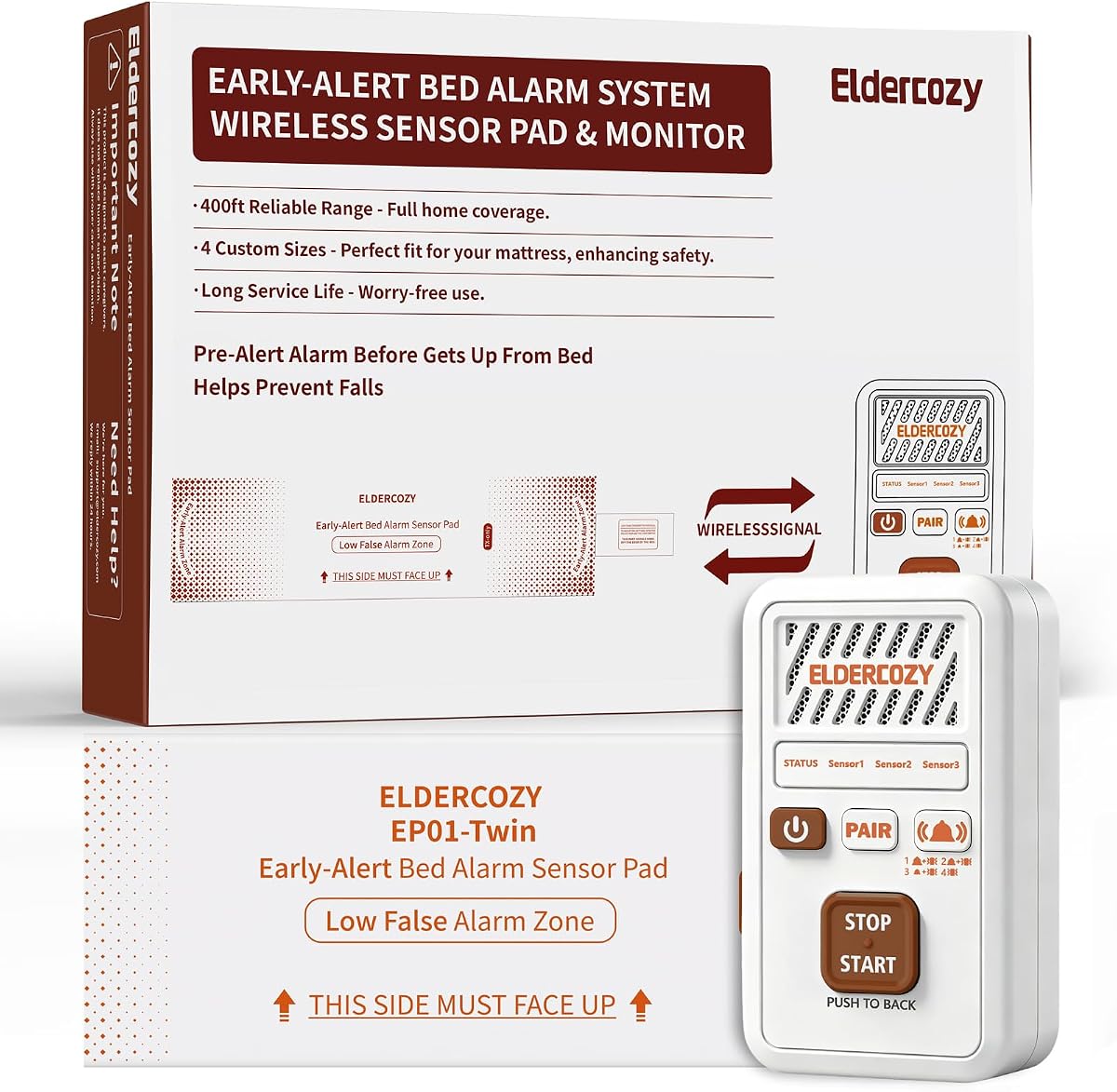
Twin Size Wireless Bed Alarms for Elderly Dementia Patients
Hip level detection
400 ft range
Waterproof TPU material
FSA HSA eligible
The Twin Size Wireless Bed Alarms for Elderly Dementia Patients earns a top rating of 4.8 stars due to its advanced early detection system. Unlike other sensors that trigger when the patient stands, this one alerts you the moment they sit on the edge of the bed.
Pros
High rating score
True early alert
Waterproof design
Quiet TPU comfort
Long battery life
Cons
Price is higher
Limited size options
We may earn a commission when you buy through this link, at no additional cost to you.
The key strength is its hip level placement, which prevents false alarms from tossing and turning while ensuring you know immediately if they intend to rise. The TPU material is soft and waterproof, ensuring comfort and hygiene without noise.
One trade-off is that it is more expensive than basic models, but the lifespan is extended by replaceable batteries rather than disposable units. This reduces long term costs and waste significantly.
This product is excellent for caregivers who need maximum reliability and comfort. It is the best choice for dementia patients who may wander frequently, as it provides ample time for intervention before they fully stand up.
Comfort and Quiet Operation
Crafted from a soft skin friendly TPU composite that never crunches when they roll over, ensuring uninterrupted sleep for the patient.
Extended Lifespan
Both transmitter and receiver run on easily replaceable 1.5V AAA batteries, extending the life of your bed alarm indefinitely.
Upgraded Version Bed Sensor Alarm and Fall Prevention
918 ft open range
Floor motion sensor
Dual power supply
No patient room noise
The Upgraded Version Bed Sensor Alarm and Fall Prevention is a budget friendly option that delivers high performance with a 4.5 star rating. Instead of a bed pad, it uses a motion sensor placed on the floor to detect when the patient's foot touches the ground.
Pros
Low cost option
Very long range
No in bed pad
USB power available
Motion detection logic
Cons
Placement on floor
Requires clear path
We may earn a commission when you buy through this link, at no additional cost to you.
Its key strength is the incredible range of up to 918 feet in open areas, which allows caregivers to monitor from great distances. It avoids placing sensors directly on the patient, reducing discomfort and avoiding issues with incontinence or displacement.
A trade-off is the requirement to place the sensor on the floor under the bed, which might not fit every bed frame or room layout. However, for those seeking a low cost solution with wide range, this is highly effective.
We recommend this for caregivers who need a simple yet powerful alert system without spending much. It is ideal for home settings where a floor sensor is practical and easy to hide discreetly.
Motion Based Detection
The motion sensor can be placed on the floor under the bed to accurately detect when a patient's foot touches the floor when getting up.
Dual Power Options
It features dual power supply options using alkaline battery or Micro USB, ensuring you never run out of power unexpectedly.
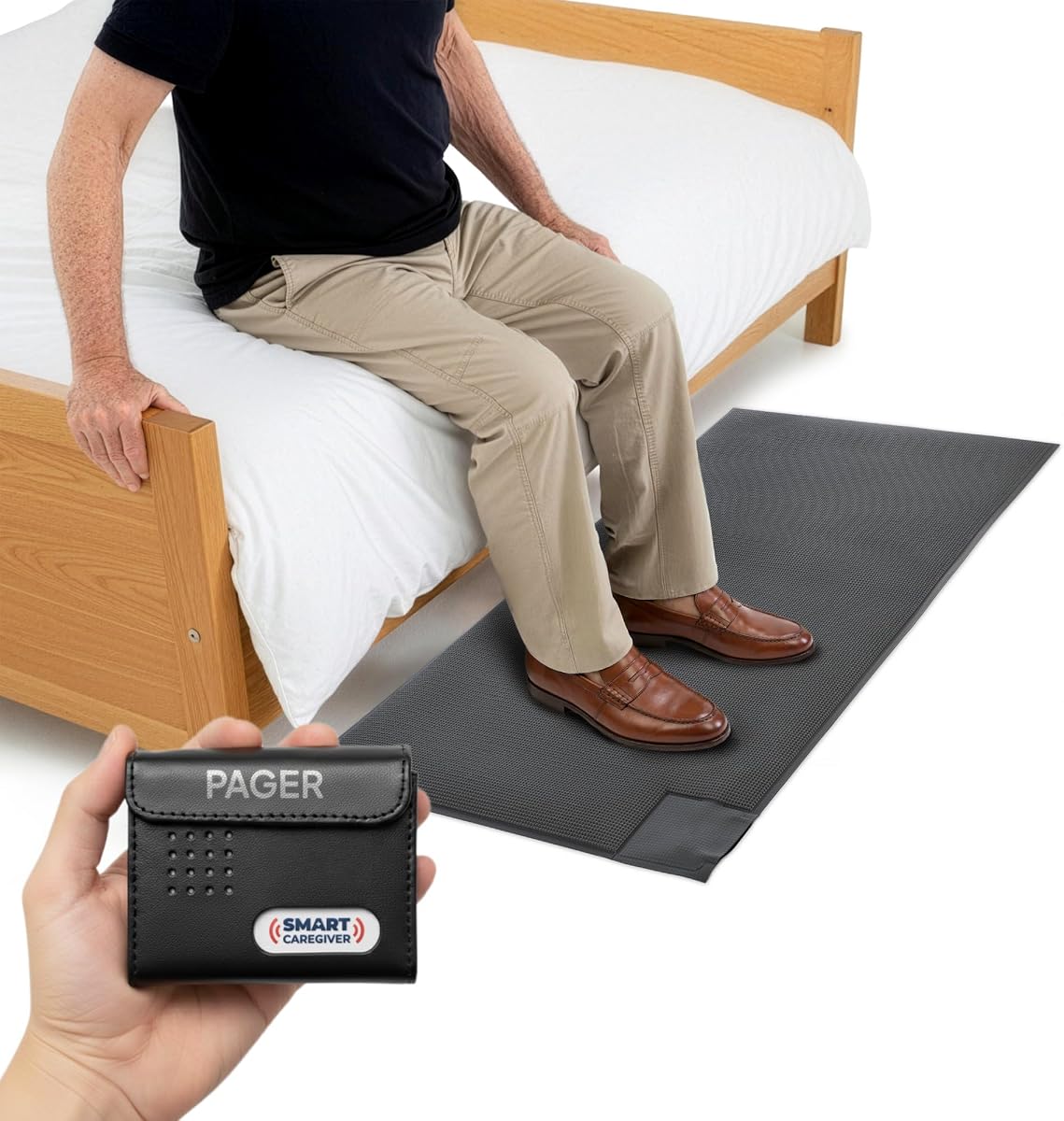
The Smart Caregiver Floor Mat Alarm and Pager System is designed to detect when a patient steps out of bed and onto the floor. With a 4.6 star rating, it uses a durable 24 inch by 48 inch mat to provide accurate weight sensing alerts.
Pros
Large coverage area
Clear weight detection
USA support
Pager vibration mode
Wandering prevention
Cons
Batteries not included
Size limits location
We may earn a commission when you buy through this link, at no additional cost to you.
Its key strength is the large size of the mat, which catches steps clearly even if the patient is unsteady. It works well for wandering prevention as it can be placed by exit doors to alert if they try to leave a room.
One trade-off is that it requires floor space, which might not work well in tight bedrooms with limited furniture. Additionally, the batteries are not included, so you need to source them separately.
This product is best for caregivers who want a clear distinction between bed movement and walking. It is perfect for use at doorways to ensure safety while allowing freedom to move within the home.
Wandering Prevention
Place the floor mat next to your patient's bed or by an exit door to alert you if the patient is wandering towards an exit.
Silent Caregiver Alerts
The wireless caregiver pager can be carried by the caregiver, featuring an audible alert option and a vibrate option that won't startle residents.
Smart Caregiver Bed Exit Alarm with Wireless Pager
Full coverage weight sensor
6 sensor support
Large contact sensor
American company support
The Smart Caregiver Bed Exit Alarm with Wireless Pager is a reliable system designed for early alert fall prevention. It has a 4.4 star rating and focuses on reducing false alarms to build trust in the alert system.
Pros
Expandable network
Reduces false alarms
Vibrate option
Strong customer support
Simple setup
Cons
Price moderate
Requires regular batteries
We may earn a commission when you buy through this link, at no additional cost to you.
Its key strength is the expandable network capability, allowing the pager to support up to six different sensors. This means you can monitor beds, chairs, and doorways all from a single receiver for comprehensive coverage.
One trade-off is the cost associated with building a multi sensor network, but for large homes or those needing chair monitoring it is worth the investment. The contact sensor is extra large to ensure accuracy when pressure is removed.
We recommend this for caregivers who need more than just bed monitoring. It is an ideal choice for comprehensive safety management across different areas of the home or care facility.
Expandable Monitoring Network
The pager supports up to six different Smart Caregiver sensors, allowing for comprehensive monitoring of multiple areas.
Reliable Alerts
Our pad is engineered to reduce false alarms with an extra large contact sensor, ensuring you are notified accurately.
CallToU Bed Alarms for Elderly Dementia Patients who Wander
Type C charging
18 ringtones
360 rotation sensor
Replaceable batteries
The CallToU Bed Alarms for Elderly Dementia Patients who Wander offers a unique mix of features with a 4.1 star rating. It uses a motion sensor to detect when feet touch the ground and provides a portable pager with vibration options.
Pros
Quiet vibration mode
Type C charging
High volume levels
Flexible rotation
Portable receiver
Cons
Average rating
Requires floor placement
We may earn a commission when you buy through this link, at no additional cost to you.
Its key strength is the silent vibration mode, which ensures you get alerts without waking the patient or disturbing others in shared rooms. The receiver has 5 volume levels and 18 ringtones, giving you full control over alert volume.
One trade-off is that the sensor requires floor placement and rotation to avoid false alarms from bed movements. This needs careful setup to ensure it is angled correctly away from the bed.
This product is best for caregivers who need a discreet system that does not disturb sleep. It is a strong choice for night time monitoring where silence is paramount for the patient's rest.
Silent Alerts
Enjoy reliable safety without the nuisance of constant false alerts using the silent or vibrate mode to suit your needs.
Portability
The bed alarm receiver has a Type C charging port and is portable, allowing you to move around the house easily.
Upgrade Professional Bed Sensor Alarm and Fall Prevention
918 feet range
Micro USB power
4 alert modes
Fast service support
The Upgrade Professional Bed Sensor Alarm and Fall Prevention is a practical device for home monitoring. With a 4.5 star rating, it uses a motion sensor to alert caregivers when someone leaves the room or gets out of bed.
Pros
Very loud alert
USB power
Simple pairing
Adjustable brightness
Wide range
Cons
No bed pad
Basic design
We may earn a commission when you buy through this link, at no additional cost to you.
Its key strength is the loud 113 dB alarm and adjustable brightness which ensures you are notified clearly even in noisy environments. It offers 4 alert modes to choose from, including light only or light plus sound.
One trade-off is that it is strictly a motion sensor and does not include a bed pad for weight detection. This means it is better suited for doorways or floor placement rather than direct bed monitoring.
This product is best for caregivers who need a loud clear signal. It is ideal for those who prefer to monitor doorways to prevent wandering rather than just detecting bed movement.
Easy to Use
The motion sensor and receiver are factory paired and ready to use by simply loading the batteries separately.
Top Quality and Service
The product quality has passed the durability test. If there is anything goes wrong, please email us for support.
The Smart Caregiver Bed and Chair Exit Alarm System provides a versatile solution for monitoring multiple locations. With a 4.2 star rating, it comes with both a bed pad and a chair pad to alert you when the patient tries to get up.
Pros
Two pads included
Easy switching
Sealed protection
Volume control
Durable pads
Cons
Wired connection
Single monitor only
We may earn a commission when you buy through this link, at no additional cost to you.
Its key strength is the phone style clip that makes it easy to switch between using the bed and chair pad with the same monitor. This saves money and provides flexibility for patients who spend time in chairs or wheelchairs.
One trade-off is the lack of wireless capability in the base kit, meaning you are tethered by cables. However, the durability of the vinyl pads is excellent and resists incontinence well over time.
This system is best for caregivers who need monitoring both sitting and lying positions. It is an economical choice for those needing comprehensive coverage without buying multiple separate units.
Convenient Controls
The alarm features adjustable volume with high and low volume level options located inside the battery compartment.
Durable and Reliable
The bed pad and chair pad are made of soft vinyl with a foam interior, sealed for incontinence protection.
Bed Sensor Pad & Pager for Elderly Dementia Patients Caregiver Bed Alarm
32 x 13 inch pad
Latex free material
300 ft range
Rehabilitation center use
The Bed Sensor Pad & Pager for Elderly Dementia Patients Caregiver Bed Alarm is designed for versatility and sensitivity. With a 3.7 star rating, it offers a latex free pad that is gentle on skin and resistant to water and tearing.
Pros
Latex free safety
Water resistant
Portable pager
Large pad size
Versatile use
Cons
Lower rating
Pad may shift
We may earn a commission when you buy through this link, at no additional cost to you.
Its key strength is the latex free material which makes it safe for patients with sensitivities. The pad is large and durable, and the pager offers customizable alerts including adjustable volume and music to suit your preferences.
One trade-off is the lower overall rating compared to others, which may indicate some users experience issues with sensitivity or placement. However, the water resistant design is a strong plus for hygiene.
This product is best for caregivers who need a latex free option for sensitive skin. It is suitable for use in rehabilitation centers or homes where chemical safety is a priority.
Durable and Easy to Clean
Constructed from latex free tear and water resistant materials, the pad is incontinence resistant and simple to wipe clean.
Simple Setup
Easy installation with secure clips under fitted sheets and a lightweight portable pager allows caregivers to move freely.
We may earn a commission when you buy through this link, at no additional cost to you.
Buying Guide – How to Choose the Best Bed Alarm for Elderly and Dementia Patients
Choosing the right bed alarm requires understanding specific features that impact reliability and comfort for both the caregiver and the patient.
Sensor Type and Sensitivity
The most critical factor is the type of sensor used. Some alarms use pressure pads under the mattress to detect weight removal, while others use motion sensors placed on the floor to detect movement. Pressure pads are better for detecting early movements before standing, whereas motion sensors avoid issues with bed shifting but may only detect when feet hit the ground.
Look for a sensor that matches the patient's mobility. Early detection sensors are vital for dementia patients to prevent wandering before they even stand up.
Alert Range and Connectivity
Wireless range determines how far the caregiver can move while still receiving alerts. Models offering ranges over 300 feet allow you to monitor from other rooms or floors. Wired systems are cheaper but restrict movement significantly.
Ensure the range is sufficient for your home layout. Always test the signal in different spots to avoid dead zones where alerts might fail.
Alert Volume and Vibration
The alarm output should be loud enough for you to hear but considerate of others. Vibration modes are essential for caregivers in shared living spaces to prevent waking others when a patient moves.
Choose a device with multiple alert modes. Sound, light, and vibration options give you flexibility depending on the time of day.
Ease of Installation
Setup should be simple to avoid frustration. Look for tool free options that do not require drilling or complex wiring. Wireless systems generally offer the easiest installation for immediate use.
Prioritize models that can be installed in minutes. This ensures the system is up and running quickly after delivery.
Durability and Hygiene
Materials must withstand daily use and cleaning. Waterproof and latex free pads are crucial for incontinence protection and skin safety. Check if the pads are easy to wipe clean.
Opt for models with replaceable batteries rather than built-in ones. This extends the lifespan of the device significantly.
Battery Life and Power
Long battery life reduces maintenance. Check if the device uses standard AA or AAA batteries for easy replacement. USB powered options are a bonus for consistent power.
Ensure the system alerts you when battery is low. This prevents unexpected failures during critical times.
Expandability and Network
Some systems allow you to add multiple sensors to one pager. This is useful if you need to monitor multiple beds or doorways.
Choose a main unit that supports additional sensors. This allows you to upgrade your system later without buying a new one.
Customer Support and Warranty
Reliable support ensures you can get help if issues arise. Look for companies that offer warranties and accessible customer service hours.
Select a brand with a good track record. This reduces the risk of buying a defective unit without recourse.
How to Use and Care for Your Bed Alarm for Elderly and Dementia Patients
Start by positioning the sensor correctly. If using a pressure pad, place it under the fitted sheet aligned with the patient's shoulders or hips. If using a motion sensor, place it on the floor under the bed where feet will land. Ensure the unit is stable and will not shift during sleep.
Test the system before relying on it. Ask the patient or a helper to simulate getting up to confirm the alert triggers immediately. Check that the volume is set to a level you can hear from your location and that the range covers your entire home.
Regularly maintain the device to ensure reliability. Replace batteries as soon as the low battery light appears. Wipe down sensor pads with a damp cloth if they become dirty. Keep cords away from walking paths to prevent tripping hazards.
Frequently Asked Questions
Do bed alarms cause distress to dementia patients?
Most modern alarms use discreet vibration or silent modes to avoid startling patients. They are designed to alert caregivers without making loud noises in the room. Many systems allow you to adjust the volume or turn off the sound entirely for a quieter environment.
Can I use a bed alarm if my loved one has incontinence?
Yes, many pads are waterproof and sealed for incontinence protection. Check the product specifications for terms like waterproof or latex free. Wipe the pad clean after any accidents to maintain hygiene and sensor function.
How far can the pager be from the bed?
Range varies by model, typically from 100 to 900 feet in open areas. Check the specific range listed in the product details. Keep in mind that walls and floors can reduce this range slightly.
Do I need a Wi-Fi connection for these alarms?
Most bed alarms do not require Wi-Fi. They use radio frequency or Bluetooth to connect the sensor to the pager. This makes them more reliable as they do not depend on your home internet connection.
Can these alarms be used in nursing homes?
Yes, many models are approved for use in facilities. They are designed to fit standard beds and meet hygiene standards. Always check with the facility administration before installing additional equipment.
What happens if the sensor pads shift?
Some models have clips or adhesives to secure the pad in place. Ensure the pad is under the fitted sheet so it stays centered. If it moves frequently, you may need to adjust the bed sheets or use a different model.
Final Thoughts on Choosing the Best Bed Alarm for Elderly and Dementia Patients
The PELEGON Bed Alarms, Twin Size Wireless Alarms, and Upgraded Version Sensor represent the top choices for most caregivers. Each offers distinct advantages in range, comfort, and affordability.
Prioritize early detection and comfort for dementia patients. Look for models that alert before the patient stands and avoid loud noises in the room.
Always verify current prices and availability before purchasing. Prices can change and new features may be released over time.